Why is vinyl popular again? Sales have reached their highest point since the 1980s, and the answer lies in what this classic format offers modern music lovers. Despite digital streaming’s convenience, thousands of fans are choosing vinyl records over digital alternatives. While it might seem surprising to pick a format that requires more space and investment, vinyl delivers an experience that digital music can’t replicate. From its rich sound quality to the joy of physical album artwork, this vinyl renaissance goes beyond nostalgia. Let’s explore why vinyl records are winning over both new collectors and longtime enthusiasts.
Table of Contents
- Nostalgia and Retro Appeal
- Superior Sound Quality
- The Tangible and Collectible Nature of Vinyl
- Support for Artists and Independent Labels
- Social and Lifestyle Trends
- Environmental Considerations
- The Revival of Record Stores
- The Ultimate Truth About Vinyl's Comeback
- FAQs – Why Is Vinyl Popular Again
Nostalgia and Retro Appeal
The Emotional Pull of Analog Sound
The physical interaction with vinyl records creates a distinctive listening experience that digital formats cannot duplicate. The process of selecting an album, handling the record, and maintaining the equipment engages listeners in ways streaming services don’t. This hands-on aspect has significantly contributed to vinyl’s resurgence, particularly among those seeking a more involved relationship with their music collection.
A New Generation Discovers Vinyl’s Charm
Millennials and Gen Z have become significant drivers of vinyl’s growth, representing an increasing percentage of new record buyers. Rather than limiting themselves to vintage pressings, these demographics are purchasing new releases. Major contemporary artists like Taylor Swift and Harry Styles regularly release vinyl editions of their albums, indicating strong market demand across multiple generations and musical genres.
The Rise of Retro Culture
Vinyl’s popularity reflects broader cultural trends favoring physical media and vintage technologies. The format’s revival coincides with increased interest in analog photography, vintage fashion, and classic gaming. Record stores have evolved into community spaces where enthusiasts gather to explore music and share recommendations.
This renaissance combines traditional appeal with modern conveniences. Current vinyl releases often feature high-quality pressing techniques, detailed artwork, and digital download codes. This integration of analog and digital elements appeals to collectors who value both sound quality and accessibility, contributing to vinyl’s sustained market growth.
Related: Best Records on Vinyl
Superior Sound Quality
The Warmth of Analog Sound
Vinyl records produce sound through continuous analog signals carved into their grooves, capturing the complete waveform of the original recording. Unlike digital formats that sample audio at fixed intervals, vinyl’s uninterrupted signal flow contributes to its distinctive warm, full-bodied sound signature that many listeners prefer.
Beyond Digital Compression
Digital streaming services compress audio files to reduce bandwidth and storage requirements, which can diminish audio quality by removing frequency information. Vinyl maintains the full frequency range of the master recording, preserving subtle details in both high and low frequencies. While vinyl can include surface noise, many listeners appreciate how this analog medium retains the recording’s original dynamic range and tonal characteristics.
The Audiophile Appeal
Sound enthusiasts often choose vinyl for its ability to reproduce music with exceptional detail and spatial accuracy. A well-pressed record played on properly calibrated equipment delivers superior sound staging – the perceived placement of instruments and vocals within the stereo field. This spatial accuracy, combined with vinyl’s full-frequency reproduction, creates an immersive listening experience that digital formats often can’t replicate.
The vinyl format’s continued popularity stems from its technical advantages in sound reproduction. Quality pressings can deliver better dynamic range, more accurate frequency response, and improved spatial representation compared to compressed digital formats. These sonic benefits, rather than just nostalgia, help explain why vinyl remains relevant in today’s digital age.
The Tangible and Collectible Nature of Vinyl
The Art of Album Collection
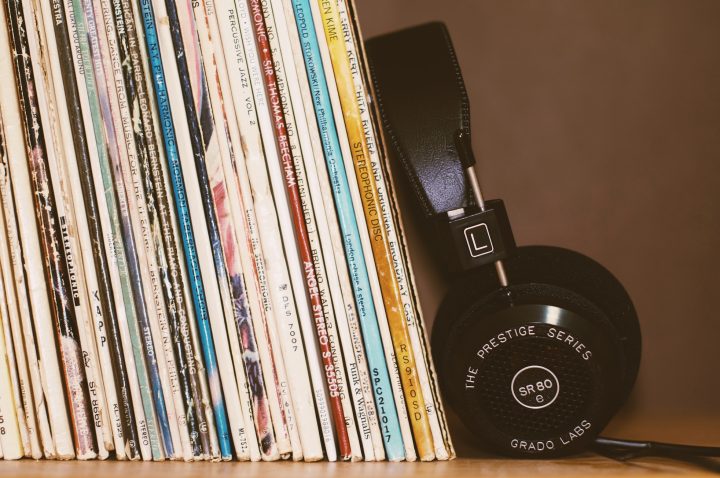
Vinyl records are physical objects that hold both musical and personal value. Each record becomes part of a growing collection that reflects individual taste and musical exploration. Unlike digital formats, vinyl collections provide a concrete representation of one’s musical journey through carefully curated selections and rare finds.
Visual Appeal and Packaging
Album artwork reaches its full potential in vinyl format, with large-format covers and gatefold designs that showcase visual artistry. Modern vinyl releases often include high-quality extras like detailed liner notes, art prints, and lyric sheets. These physical components enhance the listening experience by providing context and visual accompaniment to the music.
Related: How to Organize Vinyl Records
Limited Editions and Exclusives
The vinyl market features numerous special editions that appeal to collectors. Colored vinyl variants, numbered pressings, and exclusive artwork create unique releases that stand apart from standard editions. Record Store Day events highlight this aspect of collecting, offering limited pressings that often become sought-after items. These special releases strengthen the connection between artists and their audiences.
The Social Aspect of Collecting
Vinyl collecting fosters community engagement through record fairs, trading meetups, and discussions about pressing quality. Collectors share recommendations based on personal experience rather than algorithms, leading to more meaningful music discovery. This social dimension adds value beyond the records themselves, creating connections through shared appreciation of physical music formats.
Support for Artists and Independent Labels
Direct Financial Impact on Musicians
Vinyl sales generate significantly higher profits for artists compared to streaming platforms. A single vinyl sale often yields $10-15 in artist revenue, while thousands of streams typically generate only a few dollars. These higher margins particularly benefit independent artists and those in specialized genres where streaming numbers may be lower.
Revival of Independent Record Labels
The vinyl format has reinvigorated independent record labels by making small-batch production viable. New pressing facilities enable labels to produce limited runs of 300-500 records cost-effectively. Several independent labels have established their pressing operations, creating sustainable production models for emerging artists.
Building Stronger Artist-Fan Connections
Vinyl releases offer artists unique ways to engage with their audience through special editions. Limited pressings, colored vinyl variants, and numbered editions provide value beyond the music itself. These physical products often include exclusive artwork and liner notes that enhance the listening experience and create lasting connections with fans.
Local Music Scene Support
Record stores serve as important venues for local music communities by stocking regional releases and hosting live events. This direct distribution channel allows local artists to sell their vinyl directly to customers and maintain higher profit margins. Partnerships between record shops, music venues, and local labels help promote new releases and events, supporting sustainable local music economies.
Social and Lifestyle Trends
The Rise of Slow Listening
Vinyl records promote intentional music consumption by requiring listeners to engage with full albums. Unlike streaming platforms that encourage rapid track-skipping, vinyl’s format naturally leads to deeper music appreciation and discovery of album tracks that might otherwise be overlooked.
A Statement of Personal Identity
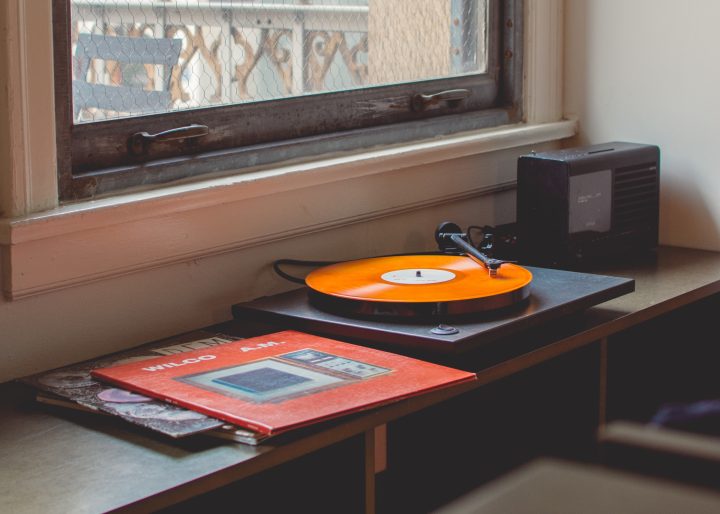
Young collectors often integrate their vinyl collections into their living spaces, with records serving both as music storage and interior design elements. This dual purpose has made vinyl collections a significant part of modern urban living, particularly among millennials who value both aesthetics and authenticity in their home environments.
Community and Connection
Record stores function as social spaces where enthusiasts meet and share music recommendations. These venues regularly host events like listening parties and album releases, creating opportunities for in-person connections among music fans who might otherwise only interact online.
The Instagram Effect
Social media has significantly boosted vinyl’s cultural impact, with dedicated hashtags and communities showcasing collections and rare finds. This online presence has transformed record collecting from an individual pursuit into a shared experience, with collectors actively documenting their discoveries and listening experiences.
The Anti-Algorithm Movement
Many collectors prefer discovering music through physical record stores rather than digital recommendation systems. This shift reflects a growing preference for personal exploration over algorithm-driven suggestions, aligning with broader trends toward more conscious consumption habits. The tangible nature of vinyl allows listeners to develop their musical tastes through direct experience rather than automated recommendations.
Environmental Considerations
The Complex Environmental Equation
Vinyl and digital streaming both have significant environmental impacts. Digital streaming relies on power-hungry data centers that contribute to carbon emissions through continuous operation and cooling requirements. However, vinyl records, made primarily from PVC, present their environmental challenges through manufacturing processes and long-term waste concerns.
Production Impact and Innovation
Traditional vinyl production uses non-biodegradable PVC materials and energy-intensive pressing processes. Modern facilities have reduced energy consumption by up to 40% through efficient pressing techniques. Several plants now incorporate recycled vinyl pellets and have switched to paper-based packaging instead of plastic sleeves, reducing overall waste.
Sustainable Solutions and Future Outlook
The industry is developing more sustainable practices. Record stores implement trade-in programs for record recycling while pressing plants explore bioplastic alternatives that maintain audio quality. HD Vinyl technology offers potential manufacturing waste reduction of up to 60% while improving sound quality.
Small-scale pressing facilities are adopting environmentally conscious practices including closed-loop water systems and renewable energy sources. Some manufacturers are developing PVC-free records, which could significantly reduce the format’s environmental impact.
While both vinyl and digital formats affect the environment differently, ongoing innovations in vinyl production suggest progress toward sustainability. The industry continues to balance audio quality with environmental responsibility through improved manufacturing processes and materials.
The Revival of Record Stores
Record stores have evolved from simple retail spaces into vibrant community hubs. Modern shops combine vinyl sales with social spaces where customers can explore music together, with staff actively sharing recommendations and creating welcoming environments for both newcomers and experienced collectors.
These stores facilitate connections between music enthusiasts by hosting regular events and creating spaces for organic interactions. Weekly vinyl nights and listening sessions allow collectors to share knowledge and discover new music together, fostering a sense of belonging that online platforms can’t replicate.
Successful record stores now offer expanded services like turntable maintenance workshops and music appreciation classes. Many have partnered with local businesses to create comfortable browsing environments. Some stores have introduced curated vinyl subscription services, providing personalized monthly selections based on customer preferences.
Record Store Day has become a significant industry event, driving substantial foot traffic to local shops through exclusive releases and limited pressings. The event demonstrates how physical retail spaces remain vital to music culture, with participating stores reporting increased year-round customer engagement following these celebrations.
These developments show that record stores have adapted to changing market conditions by emphasizing community engagement and expanding their services beyond basic retail. Their success indicates strong consumer demand for physical spaces dedicated to music appreciation and discovery.
The Ultimate Truth About Vinyl’s Comeback
Vinyl records have proven they’re not just a nostalgic trend in our digital world. Their superior sound quality, with warm analog tones and uncompressed audio, delivers an exceptional listening experience. The format creates real connections between artists and fans while building vibrant communities through record stores that serve as cultural gathering spots. In an age of algorithms and streaming, vinyl offers something invaluable: a deliberate, engaging way to experience and appreciate music completely.
FAQs – Why Is Vinyl Popular Again
Why are LPs popular again?
LPs are experiencing a resurgence because they offer superior sound quality, a tactile listening experience, and collectible artwork. Many music fans appreciate vinyl’s warm, authentic sound and the ritual of playing records. The format also provides a tangible connection to music in our increasingly digital world, making each album feel more meaningful and personal.