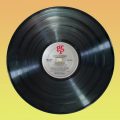
Test pressing vinyl records to sell for thousands while looking almost identical to those in local record stores. What is a test pressing vinyl? These mysterious first steps in vinyl production are artifacts that collectors chase with almost religious fervor. For vinyl enthusiasts and collectors, understanding these rare pieces can be confusing—limited information and conflicting advice make it difficult to determine their true value. Let’s deep dive into insider knowledge on what test pressings are, why they matter, and how to spot authentic ones worth adding to a collection.

Table of Contents
- History of Test Pressings
- How Test Pressings Are Made
- Why Test Pressings Are Important
- Who Uses Test Pressings?
- How to Identify a Test Pressing
- Test Pressings: The Holy Grail of Vinyl Collecting
- How to Buy or Sell a Test Pressing
- The Lasting Impact of Test Pressings
- FAQs – What Is a Test Pressing Vinyl?
History of Test Pressings
Test pressings have been around since the dawn of the recording industry, emerging with the first commercial records in the late 1890s. When pioneers like Emile Berliner introduced flat disc records, companies quickly realized they needed quality control before mass production. These early test copies weren’t fancy – just functional checks before committing to thousands of copies.
By vinyl’s golden age in the 1950s and 60s, test pressings became more formalized. Major labels established quality control departments where audio engineers would listen for defects like surface noise or off-center pressings. This era gave us the iconic white labels with minimal typewritten info that collectors now recognize instantly.
The digital revolution of the 1980s nearly killed vinyl, with many pressing plants shutting down. Ironically, this made vintage test pressings even more valuable as artifacts of a disappearing craft.
When vinyl made its comeback in the 2000s, test pressings returned to prominence. Today’s test pressings serve dual purposes – they’re still essential quality checks, but they’ve also become coveted limited-edition collectibles that label market specifically to vinyl enthusiasts who appreciate their historical significance and rarity.
Related: What Is a Club Edition Vinyl?
How Test Pressings Are Made
The journey from studio to test pressing combines old-school craftsmanship with precision engineering. It all starts with the master lacquer – an aluminum disc coated with nitrocellulose. A cutting lathe carves microscopic grooves directly into this soft surface with a diamond stylus. The cutting engineer watches closely, making tweaks to get the sound just right.
Next comes electroplating – the lacquer gets sprayed with silver, then dipped in a nickel bath to create a “father” (negative image). This father produces “mothers” (positive images) and finally “stampers” (negative again) that will press the vinyl.
At the pressing plant, stampers are mounted into heated presses. PVC pellets are melted into “biscuits,” sandwiched between stampers, and squished with massive pressure into flat discs. For test pressings, they’ll run just 5-10 copies using premium virgin vinyl – no recycled materials that might introduce flaws. These records emerge with plain white labels and handwritten details – nothing fancy, but pure audio quality is what matters here.
Why Test Pressings Are Important
Think of test pressings as the final checkpoint before thousands of records hit production. They’re crucial for record labels and mastering engineers who must catch any pressing errors before committing to a full run. Are those weird skips or surface noise issues? It is much better to find them on 5 test copies than 5,000 retail ones.
For artists, test pressings represent the last chance to ensure their creative vision translates properly to vinyl. There’s something uniquely emotional about that first listen—hearing how your music sounds in its physical form. Many musicians gather around a turntable with their producer for this moment, sometimes requesting EQ adjustments after hearing how their music responds to vinyl’s unique sonic properties.
The quality assurance test pressings provide has become even more important during vinyl’s current boom. With pressing plants running at capacity and new facilities opening with less experienced staff, this approval process maintains standards across the industry. It creates accountability throughout the production chain.
For serious collectors, original test pressings hold a special status. They’re pressed with virgin vinyl on freshly calibrated machines, often resulting in superior audio fidelity compared to standard copies. They represent the purest expression of the album as approved by everyone involved.
Related: What Is an EP: How Is It Different From a Single and LP Album in Music?
Who Uses Test Pressings?
Test pressings find their way into the hands of several key players in the music industry. Musicians get first dibs, often gathering for that nerve-wracking moment when they hear their work on vinyl for the first time. There’s nothing like catching a mix issue that somehow slipped through digital mastering but stands out on vinyl!
Record labels use these white-label copies as their quality control checkpoint. Their audio pros listen carefully for surface noise, distortion, or pressing defects before giving the green light for mass production. One mistake here could mean thousands of flawed records hitting stores.
Surprisingly, test pressings have become hot commodities among vinyl collectors and DJs. With only 5-10 copies typically made, they’re incredibly rare and can fetch serious cash at auction. Some pressing plants have even started creating special “DJ test pressings” with unique mixes, turning what was once just a production tool into the vinyl equivalent of owning an artist’s original sketch.
How to Identify a Test Pressing
Spotting a test pressing in the wild isn’t rocket science once you know the telltale signs. The most obvious giveaway? Those plain white labels, usually with handwritten details scrawled across them. These aren’t just any scribbles – they’re important production notes about the artist, title, and sometimes quality comments from the engineers.
The real authentication lives in the matrix numbers etched near the label in the run-out groove. Look for “TP” or “TEST” prefixes, or unique numbering systems like “TEST 1/5” that commercial releases simply don’t have.
Packaging is deliberately minimal – typically just plain white or manila sleeves instead of fancy artwork. Modern test pressings might include a simple stamped logo or basic information sticker.
Don’t overlook production marks like approval stamps or quality control initials. The vinyl itself often appears clearer or heavier, using premium virgin vinyl that retail copies might not get.
Test Pressings: The Holy Grail of Vinyl Collecting
Test pressings are the caviar of vinyl collecting – rare, unique, and incredibly valuable. These white-label records are more than just pre-release quality control copies; they’re pieces of musical history that collectors hunt with passion and precision.
Typically limited to just 5-10 copies, test pressings are like backstage passes to an album’s creation. Their value isn’t just in rarity, but in the story they tell. Prices can range wildly from $50 to thousands of dollars, depending on factors like artist popularity, record labels, and even handwritten notes from band members.
The most dedicated collectors develop intricate networks to track down these gems. Some have struck gold by pure chance – like one collector who bought a Beatles test pressing for $13 at a flea market, later valued at over $20,000.
What makes test pressings so special? They’re the closest thing to a musical artifact – a raw, unpolished snapshot of an album before it hits the masses. For vinyl enthusiasts, owning a test pressing is like holding a piece of musical magic that most people will never see.
The hunt continues, with each test pressing representing a collector’s ultimate trophy – a moment of triumph in the passionate world of vinyl collecting.
How to Buy or Sell a Test Pressing
Finding test pressings is like a treasure hunt for vinyl lovers. Your best bets? Discogs have become the go-to marketplace where serious collectors hang out and sellers provide authentication details. Don’t sleep on eBay though – sometimes incredible finds pop up from sellers who don’t know what they’ve got.
If you’re selling, pricing is tricky. Private sellers with good connections often have the most valuable test pressings and sell through personal networks. The story behind your record matters – provenance can double or triple its value.
For newcomers, check out smaller independent labels that now offer test pressings directly through their websites. It’s an affordable way to start your collection without breaking the bank.
The Lasting Impact of Test Pressings
Test pressings are essential to vinyl’s production process. These white-label records ensure quality control before mass production begins, helping record labels deliver flawless albums to listeners. For collectors, they offer rare artifacts with direct connections to artists and producers through handwritten notes and limited availability. As vinyl continues its revival, test pressings evolve beyond quality checks to become community-building tools for independent labels. Understanding these pre-production records gives you a deeper appreciation for the craftsmanship behind every album in your collection.
FAQs – What Is a Test Pressing Vinyl?
Is it worth buying a test pressing vinyl?
Test pressing vinyl records can be worthwhile investments for serious collectors due to their rarity and historical significance. They typically hold a higher value than regular releases, especially for popular artists or significant albums. However, casual listeners might not appreciate the premium price since sound quality differences are often minimal compared to standard releases.
What does a test pressing vinyl mean?
A test pressing vinyl is a limited-run record produced before mass production to verify audio quality and manufacturing specifications. These records are typically sent to artists, producers, and label executives for approval. They feature plain white or black labels with minimal text identifying the artist and tracks, serving as quality control checkpoints before full commercial production begins.
Do test pressings sound better?
Test pressings don’t necessarily sound better than commercial releases. While they’re often the first records pressed from pristine stampers, differences can be minimal to non-existent for casual listeners. Some collectors claim test pressings offer cleaner sound due to being pressed before stamper wear, but this advantage is typically subtle and varies considerably between pressings.
What is the pressing test?
The pressing test is a crucial quality control process in vinyl manufacturing where a small batch of records is created before mass production. During this phase, engineers evaluate audio quality, surface noise, physical specifications, and overall manufacturing consistency. Any discovered issues are addressed before approving full production runs, ensuring the final commercial release meets industry standards.