Experiencing an annoying hum or buzz from your audio system can be a frustrating problem, often caused by a ground loop. This issue occurs when there are differences in electrical potential between two grounding points, leading to unwanted noise in your audio setup. But don’t worry—there are practical solutions to tackle this common problem. In this article, we’ll explore four effective methods to fix a ground loop, helping you eliminate the hum and restore clean, uninterrupted sound to your vinyl listening experience. Let’s dive into these solutions and get your audio system back on track!
Table of Contents
- What is a Ground Loop?
- Different Types of Grounding
- Some Solutions to Eliminate Ground Loops
- Final Tones
- FAQs How Do You Fix a Ground Loop?
What is a Ground Loop?
The ideal electrical system would be one that has a ground potential of zero, though this is never the case as all electronic devices have different potentials of some kind, complicating the connections in some way.
Ground loops come about when there is enough current flowing between two ground points that have differing resistances. Here, the ground loop is formed along with all the things that come with it including the ground loop noise and the need for a ground loop isolator.
Different Types of Grounding
The ground connection is a big part of understanding electricity’s role in audiophilia, so it would be worth learning about the three types of grounding that can affect the audio signal in producing ground loop hum.
1. Earth Ground
This refers to the physical connection between the electronic equipment and the earth, often using a metal rod fixed under the earth. Connecting an electrical device to real or fake ground provides the path a point for extraneous current to circulate through and otherwise interfere with the audio or video signal. For record players, this comes in the form of ground loop audio noise.
2. Signal Ground
This is the ground that is transmitted along with an analog or digital signal between electrical devices in a system. These devices are usually powered separately, increasing the likelihood that they will have ground potential differences, therefore producing currents that interfere with the flow of things.
When there are multiple paths for electricity to flow to the ground, the ground paths will carry currents that interfere, turning them into voltage fluctuations. When the ground reference in the system is no longer a stable potential, there will inherently be noise which then becomes a part of the signal – unless, of course, you have a grounded power supply or balanced audio cables!
3. Chassis Ground
This is a point that seeks to connect the metal enclosure of an electronic device to a grounding point, the use varying by the variety of electronics that are being used as well as the manufacturers behind them.
The aim of this should be clear, that connecting the chassis with the earth ground in at least one place should prevent some unwanted currents from circulating through the chassis, lest the current be able to flow throughout the chassis uninhibited in its travels. This is one of the more common ways to ground a turntable.
Some Solutions to Eliminate Ground Loops
So, without further ado, let’s explore 4 possible solutions to rid yourself of ground loops once and for all.
Solution 1: Same Ground Reference Potential
Ground loop interference often happens when electrical devices in a signal chain use different power sockets that have their own distinct resistances, creating tension between the two otherwise balanced inputs.
To improve this, try connecting all the devices in the loop to the same ground point to avoid as much as possible these inherent differences of grounding potential, ensuring that they are properly grounded.
Solution 2: Metal Conductors
As has already been elucidated, equipment that comes directly into contact with a metal conductor that acts as a ground point will have an increased likelihood of sensitivity to interference.
In such instances where this is the case, it is recommended to use a piece of wood or plastic between the equipment and the metal conductor in question so that you can isolate the ground loop and ensure that the interference can’t keep traveling around the loop.
Solution 3: Checking the Connections
Adjacent devices can also cause interferences in the system as well. This kind of effect is particularly obvious when, say, old amps and equipment are in use on a stage beside newer gear.
Try removing the other connections in the signal chain, unplugging them to see whether the sound continues. If it persists, you can be sure that the thing you have just removed is not the cause of the problem. Keep going until you have tried everything or you come across something that you have removed that makes a difference to the persistent noise.
Solution 4: Ground Loop Isolation
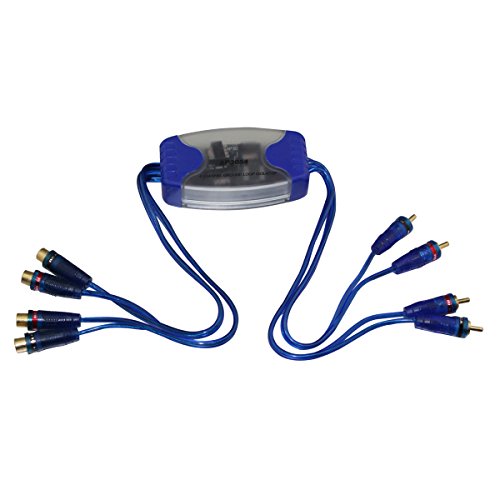
If you are still struggling to identify what is causing the ground loop, you can always purchase a ground loop isolator (see below). These are devices that can quickly and effectively isolate the current from circulating by cutting the loop path. While this is a saving grace in many ways, it can also cause a small amount of signal loss, compromising the overall video and/or audio quality.
Final Tones
Dealing with a ground loop can be frustrating, but with the right approach, it’s a problem that can be resolved. By trying the four solutions we’ve outlined—using a ground loop isolator, ensuring proper grounding, rearranging your power connections, or employing balanced cables—you can effectively eliminate the unwanted hum from your audio system. Each of these methods targets the root cause of ground loops, helping you achieve clear, high-quality sound. Regularly checking your setup and maintaining good electrical practices can also prevent future issues.
FAQs How Do You Fix a Ground Loop?
What are common causes of ground loops?
There are four main causes of a ground loop: 1) the existence of differing ground reference potentials in a signal chain, 2) the existence of metal conductors within a circuit, 3) the interference of adjacent devices in the signal chain, and 4) the lack of a device that isolates the ground loop.
How do you know if you have a ground loop?
This will depend on whether or not you are testing via visual or audio means. The former will be clear from distortions and static while the latter will be clearer from the presence of a hum that is seemingly inescapable.
Which device can help with ground loop problems?
A ground loop isolator is perfectly suited to reducing or otherwise eliminating the effects of a ground loop. However, in doing so, they can also cause small amounts of signal loss that can otherwise affect the quality of the audio and/or video in question.
What is the danger from a ground loop?
Besides acting as an antenna, picking up electromagnetic energy, and causing noise and interference to disrupt the quality of your signal, not all that much. Some people even like the effects of ground loops on their audio and/or video signal.