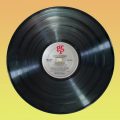
The history of vinyl records is way more than just music history – it’s a comeback story for the ages. Sure, we’ve got streaming at our fingertips, but there’s something about vinyl that digital just can’t touch. From the massive album art to that signature needle-drop sound, each record is like its own little adventure. Yeah, getting into vinyl might seem tricky with all the talk about pressings and equipment, but trust us – once you discover this world, you’ll get why music lovers are ditching their playlists for the real deal.
Let’s explore vinyl’s evolution, why serious music fans are trading algorithms for analog, and how an old format became today’s musical revolution.
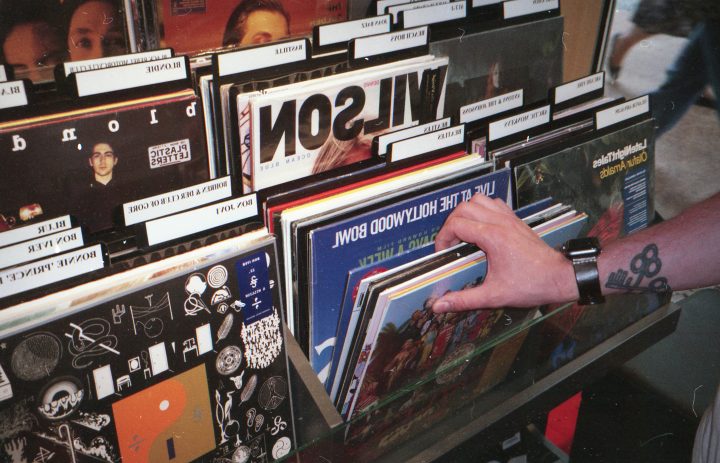
Table of Contents
- Origins of Vinyl Records
- The Rise of Vinyl Records
- The Golden Age of Vinyl
- Decline of Vinyl Records
- Vinyl Records in the Digital Age
- Technological Advances in Vinyl Production
- Collecting Vinyl Records
- Why Vinyl Endures
- FAQs – History of Vinyl Records
Origins of Vinyl Records
The journey of vinyl records began with Thomas Edison’s 1877 invention of the phonograph, which used tin foil-wrapped cylinders to capture sound waves through a metal stylus. This innovation gave way to shellac discs, but their brittleness and limited playing time of 3-4 minutes per side called for something better.
Enter the 1940s, when RCA Victor revolutionized the industry by introducing polyvinyl chloride (PVC) records. This wasn’t just a material upgrade – vinyl delivered superior durability, lower surface noise, and could store more detailed sound information in its grooves. Columbia Records seized this opportunity in 1948, launching the 33⅓ RPM format that extended playing time to 23 minutes per side through microgroove technology.
The vinyl era sparked numerous technical innovations. Recording studios enhanced their microphone techniques while pressing plants refined their processes to minimize surface noise. The introduction of stereo recording in the late 1950s pushed the boundaries further, requiring precise groove geometry to capture both audio channels. These advancements transformed vinyl from a simple audio carrier into a premium format delivering rich, immersive sound experiences.
The Rise of Vinyl Records
The 1950s marked vinyl’s spectacular rise to dominance, driven by the explosion of rock ‘n’ roll that transformed record players from luxury items into household essentials. Major labels weren’t just selling records – they were shaping culture. RCA Victor’s signing of Elvis Presley in 1955 demonstrated vinyl’s power to capture and spread new musical movements. Columbia Records built an impressive roster featuring icons like Miles Davis and Leonard Bernstein.
The extended playing time of 33⅓ RPM records revolutionized how artists approached their craft. Rather than being constrained to three-minute singles, musicians could craft cohesive journeys across entire album sides. This shift gave birth to the concept album, where every track contributed to a larger artistic vision.
The growing demand sparked fierce competition among pressing plants to achieve the highest possible quality. Plants like Columbia’s Pitman facility pioneered new quality control methods, treating vinyl production more like precision engineering than simple manufacturing. The attention to detail was remarkable – even the temperature and humidity of pressing rooms were carefully controlled to ensure consistent results.
Related: Best Sounding Vinyl Records of All Time You Would Love
The Golden Age of Vinyl
The 1960s through the 1980s marked vinyl’s pinnacle, as stereophonic sound transformed home listening. What began as a technical innovation became a cultural revolution – suddenly listeners could experience music with unprecedented depth and dimension, as if sitting in the recording studio.
Record stores emerged as community hubs where fans spent hours discovering new artists. The Beatles’ “Sgt. Pepper” demonstrated how album artwork could be just as impactful as the music, turning vinyl packaging into an art form. By the 1970s, pressing plants like Sterling Sound had mastered vinyl production, utilizing custom-built lathes and precision-controlled environments to create records that would last decades.
This era sparked an audiophile revolution. While casual listeners enjoyed their records on basic turntables, a growing community of enthusiasts invested in high-end equipment from manufacturers like Linn and Thorens. Their focus on precision engineering transformed record players from simple music boxes into sophisticated instruments, unlocking new layers of sonic detail that showcased just how magical vinyl could sound when treated with care and played on quality equipment.
Decline of Vinyl Records
The advent of Sony’s Walkman in 1979 marked vinyl’s first major challenge, as cassettes offered something records couldn’t – portability. Music lovers could now take their favorite albums anywhere, and the ability to create personal mixtapes gave listeners unprecedented creative control over their music collections.
When compact discs arrived in 1982, they delivered what seemed like a knockout punch. CDs promised perfect sound forever, instant track access, and durability that vinyl couldn’t match. Major labels like Warner Bros. and Sony Music threw their weight behind the new format, and by 1988, CD sales had overtaken vinyl in most markets. Retailers eagerly shrunk their vinyl sections to accommodate walls of CDs.
The late 1990s brought the final wave of disruption with digital audio. MP3 players and download services transformed music consumption, forcing many pressing plants to close or drastically reduce production. Recording studios began optimizing their mixes for digital formats, often at the expense of vinyl-friendly production techniques. The rise of personal computers shifted listening from a communal experience centered around the turntable to a more solitary, on-demand activity.
Vinyl Records in the Digital Age
The 2010s brought an unexpected plot twist – while streaming services dominated the mainstream, vinyl records staged a remarkable comeback. Independent record stores that had barely survived the CD era suddenly found themselves at the center of a cultural phenomenon. This wasn’t just nostalgia at work – a new generation of listeners was discovering the unique appeal of analog sound.
Urban Outfitters’ decision to stock turntables and records in 2010 marked a turning point, transforming vinyl from a specialist hobby into a lifestyle statement. Independent labels seized this opportunity, pressing limited edition releases that combined stunning artwork with high-quality pressings. The annual Record Store Day, launched in 2008, evolved into a global celebration of vinyl culture.
Modern pressing plants like Third Man Records have reimagined vinyl production, incorporating state-of-the-art quality control while maintaining traditional craftsmanship. Limited editions and colored vinyl variants have become collector’s items, while reissue labels breathe new life into forgotten classics through meticulous remastering.
Technological Advances in Vinyl Production
Modern vinyl production has undergone a remarkable transformation through technological innovation. Companies like Viryl Technologies have introduced fully automated pressing systems using computer-controlled hydraulics and AI-assisted quality control, producing a record every 20 seconds while maintaining exceptional quality.
The industry is also embracing sustainability without compromising sound quality. Traditional PVC is being supplemented by bio-based alternatives made from renewable resources, while companies like Third Man Records pioneer recycled vinyl initiatives that maintain the format’s signature warm sound.
Direct Metal Mastering (DMM) and 180-gram pressings have pushed audio quality to new heights. Computer-guided diamond cutting heads create master discs with unprecedented precision, while modern quality-control systems use laser analysis to detect microscopic flaws. The heavier 180-gram pressings provide enhanced stability and deeper bass response through increased mass.
Today’s pressing plants integrate IoT sensors and real-time analytics throughout production. Temperature, pressure, and timing are continuously monitored and adjusted, dramatically reducing defect rates while increasing efficiency. Plants like Quality Control Records demonstrate how modern technology enhances traditional craftsmanship rather than replacing it.
Collecting Vinyl Records
Vinyl collecting transforms music ownership into a thrilling treasure hunt. From dusty flea markets to specialist shops, every crate holds the potential for discovering that elusive holy grail record. Understanding grading is crucial – while pristine Mint copies command premium prices, even Very Good Plus records can deliver excellent sound when properly maintained.
The hobby’s versatility lets collectors chart their path. Some chase first pressings of classic albums like Pink Floyd’s “Dark Side of the Moon,” while others focus on audiophile reissues from labels like Mobile Fidelity Sound Lab. Original Blue Note jazz pressings from the 1950s remain particularly coveted for their exceptional sound quality and historical significance.
Related: How to Clean Vinyl Records in 6 Easy Steps
Proper storage is essential – records stored vertically in quality inner sleeves, protected from heat and humidity, preserve both sound quality and value. But collecting vinyl transcends mere acquisition. Local record stores and online communities have become gathering places where enthusiasts share discoveries and debate pressing qualities. “Dig days” – where collectors explore shops together – exemplify how vinyl collecting builds lasting connections through shared musical passion.
Why Vinyl Endures
Let’s be real – vinyl isn’t just surviving in our digital world, it’s thriving. From its roots in Edison’s workshop to today’s high-tech pressing plants, vinyl keeps evolving while staying true to what makes it special. With eco-friendly materials and innovative production methods dropping, vinyl’s future is looking pretty sweet. In a world of endless playlists, vinyl reminds us that sometimes the best way to experience music is to slow down and make it count.
FAQs – History of Vinyl Records
When was the first vinyl record made?
The first commercial vinyl record was introduced by RCA Victor in 1930. However, vinyl didn’t become the standard format until the 1940s when Columbia Records released the first 12-inch LP (Long Play) record in 1948, which played at 33⅓ RPM and could hold about 23 minutes of music per side.
What were 78 records made of before vinyl?
Before vinyl, 78 RPM records were primarily made from shellac, a resin secreted by lac bugs. The mixture typically contained shellac, a clay filler, carbon black, and other materials. These records were brittle, noisy during playback, and had limited playing time compared to later vinyl records.
What does 33 45 78 mean?
These numbers refer to the different speeds at which records rotate on a turntable, measured in revolutions per minute (RPM). 33⅓ RPM is used for full albums (LPs), 45 RPM for singles, and 78 RPM was the original standard used for shellac records before the 1940s.
What was the first song released on vinyl?
The first commercial vinyl record release was “RCA Victor Program Transcription” in 1930, featuring Dr. Leopold Stokowski conducting the Philadelphia Orchestra. However, the first mass-market vinyl LP was Columbia Records’ ML4001, a collection of Mendelssohn works performed by the Philharmonic Symphony Orchestra.